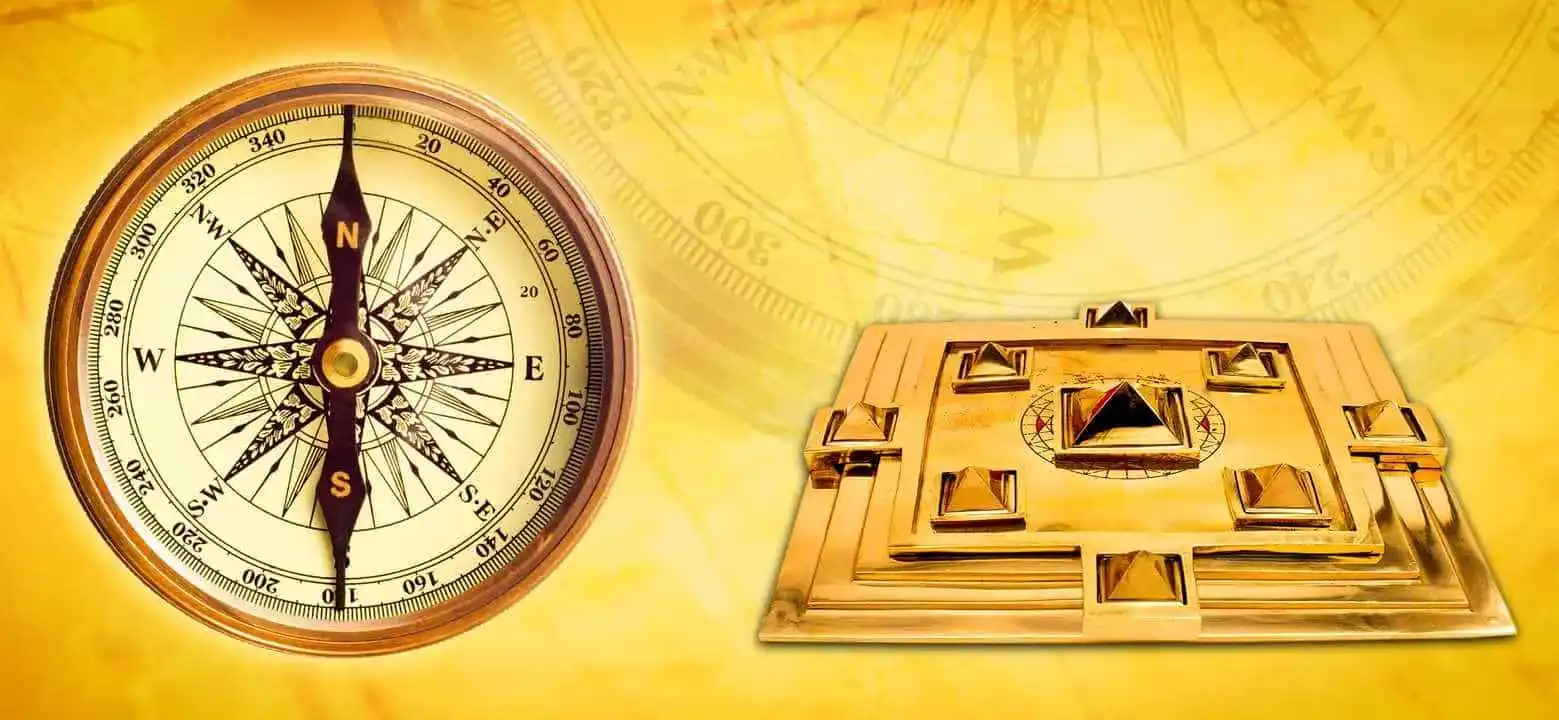
Vastu Shastra, traditionally understood as the science of space, directions, and energy, is an important branch of Vedic knowledge and Directional Astrology. It is based on the principle that the directions, layout, proportions, entrances, rooms, and placement of objects within a dwelling can influence the harmony and overall atmosphere of the home.
A properly planned home is traditionally believed to create a supportive environment for peace, health, prosperity, relationships, spiritual growth, and good fortune.
Vastu considers the eight principal directions—North, South, East, West, Northeast, Southeast, Southwest, and Northwest—and their traditional associations with different energies and elements.
Through Vastu analysis, we examine the orientation and arrangement of the home and determine how different spaces can be organized to create greater balance.
The main entrance is considered particularly important because it is traditionally regarded as the primary gateway through which energy and opportunities enter the home.
Vastu examines the direction, location, size, placement, and arrangement of the main door and other doors to help create a balanced flow throughout the dwelling.
The kitchen is associated with the fire element (Agni) and is traditionally given a specific directional consideration. Vastu helps determine a suitable location for the kitchen and the placement of the stove and other important features.
The placement of bedrooms is another important aspect of Vastu.
Traditional Vastu principles can be applied when deciding suitable locations for:
Husband and wife’s bedroom
Children’s bedrooms
Guest bedrooms
Elderly family members’ rooms
The objective is to create an environment that supports rest, emotional stability, family harmony, and positive relationships.
Vastu also considers the distribution of weight within the house. Heavy furniture, storage units, cupboards, and other substantial objects are traditionally recommended in certain areas, while some spaces are preferably kept lighter and more open.
The Northeast (Ishanya) holds a particularly important place in Vastu Shastra. Traditionally, this area is associated with spirituality, clarity, divine energy, and positive influences.
Keeping the Northeast relatively open, clean, uncluttered, and well-lit is an important Vastu principle. Allowing natural light and fresh air into this part of the home is traditionally believed to support a positive and uplifting atmosphere.
Vastu is not simply about changing the location of a single room or placing an object in a particular direction. It is an overall approach to creating balance between space, directions, elements, movement, light, and the people who live in the home.
A Vastu consultation may consider:
Direction • Entrance • Room Placement • Doors • Kitchen • Bedrooms • Bathrooms • Staircases • Heavy Objects • Open Spaces • Natural Light • Ventilation • Property Shape
Every home is different. A proper Vastu assessment should consider the orientation of the property, floor plan, entrances, rooms, structural features, and the needs of the family rather than applying the same rule to every house.
With extensive experience in Vedic Astrology and traditional occult sciences, I provide Vastu guidance based on traditional Vastu principles to help you understand your home’s strengths and areas that may benefit from adjustment.
Let Your Home Become a Place of Harmony & Positive Living
Your home is more than a building—it is the space where your family lives, rests, grows, celebrates, and creates memories.
Through the traditional principles of Vastu Shastra and Directional Astrology, we can work toward creating a dwelling that is harmonious, balanced, peaceful, and supportive of prosperity, happiness, good fortune, and spiritual well-being.
Consultation available for new homes, existing homes, apartments, renovations, and property planning.