Honoring Life’s Sacred Milestones Through Vedic Tradition:- Hindu Samskaras are sacred rites of passage that mark the important stages of human life—from birth and childhood to education, marriage, and the final rites. The Sanskrit word Samskara means refinement, purification, and spiritual preparation. Each Samskara is designed to help an individual progress through life with Dharma, values, blessings, and spiritual awareness.
Traditionally, Hindu Dharma recognizes sixteen principal Samskaras, known as the Shodasha Samskaras. These sacred ceremonies include Namakarana, the naming ceremony; Annaprashana, the first feeding of solid food; Chudakarana, the first haircut; Vidyarambha, the beginning of education; Upanayana, the sacred thread ceremony; Vivaha, the marriage ceremony; and Antyeshti, the final rites.
Each Samskara carries its own spiritual significance and is performed at an important transition in life. Through appropriate Vedic mantras, prayers, rituals, and blessings, these ceremonies create an auspicious foundation for the next stage of a person’s journey.
Samskaras remind us that birth, learning, family, duty, service, and even death are sacred parts of life’s journey. They connect us with our family traditions, ancestors, Dharma, and the Divine.
Having performed and guided families through Hindu religious ceremonies for many years, I understand that a Samskara is much more than simply completing a traditional ritual. It is an opportunity for the family to understand the deeper spiritual purpose behind the ceremony and to participate in it with faith, devotion, and understanding.
Every family and every occasion is unique. With years of experience in Vedic traditions and Hindu religious ceremonies, I provide guidance on the appropriate prayers, mantras, procedures, and traditional observances so that the Samskara can be performed respectfully and meaningfully according to the family’s circumstances and tradition.
In today’s busy world, Samskaras provide an important way for families to preserve their Hindu heritage and pass sacred values to their children and future generations. They bring families together and help younger generations understand the spiritual traditions that have guided Hindu life for thousands of years.
Performed with faith and proper guidance, Samskaras help us move from ignorance toward knowledge, from attachment toward understanding, and from worldly life toward spiritual awareness and Moksha.
Whether you are welcoming a new child, beginning your child’s educational journey, preparing for marriage, observing an important family Samskara, or seeking guidance for the final rites, these ceremonies can be performed with devotion, dignity, and proper Vedic guidance.
I offer experienced guidance and Vedic priest services for Hindu Samskaras, helping families perform these sacred rites in a traditional, meaningful, and spiritually uplifting manner.
Contact me to discuss your Samskara ceremony, suitable date and time, required arrangements, and booking of the prayer service.
From birth to death, Samskaras create a sacred path that refines the individual, strengthens Dharma, and guides the soul toward its highest spiritual aspiration.
Inviting Divine Blessings, Prosperity, Peace & Happiness into Your New Home
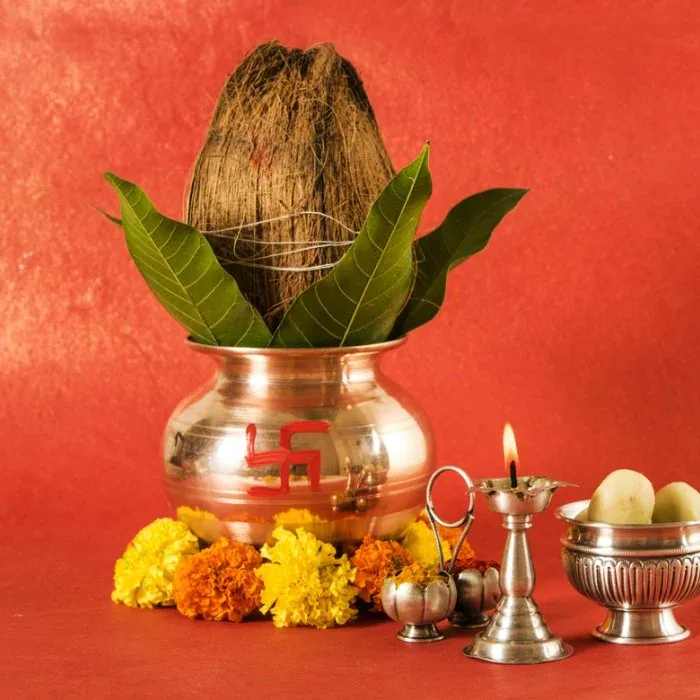
Griha Pravesha is the traditional Hindu housewarming ceremony performed when a family enters a new home. According to the Vedic tradition, a home is not simply a physical place to live; it is a sacred space where family life, relationships, health, prosperity and spiritual growth unfold.
With more than 30 years of knowledge and experience in performing Vedic rituals and ceremonies, I conduct Griha Pravesha Puja with careful attention to the traditional spiritual significance of each part of the ceremony. The purpose is to purify and sanctify the home, remove obstacles and negative influences, and invoke divine blessings for peace, prosperity, health, happiness, harmony and success for everyone living in the home.
A Sacred Vedic Ceremony for Mother and Child
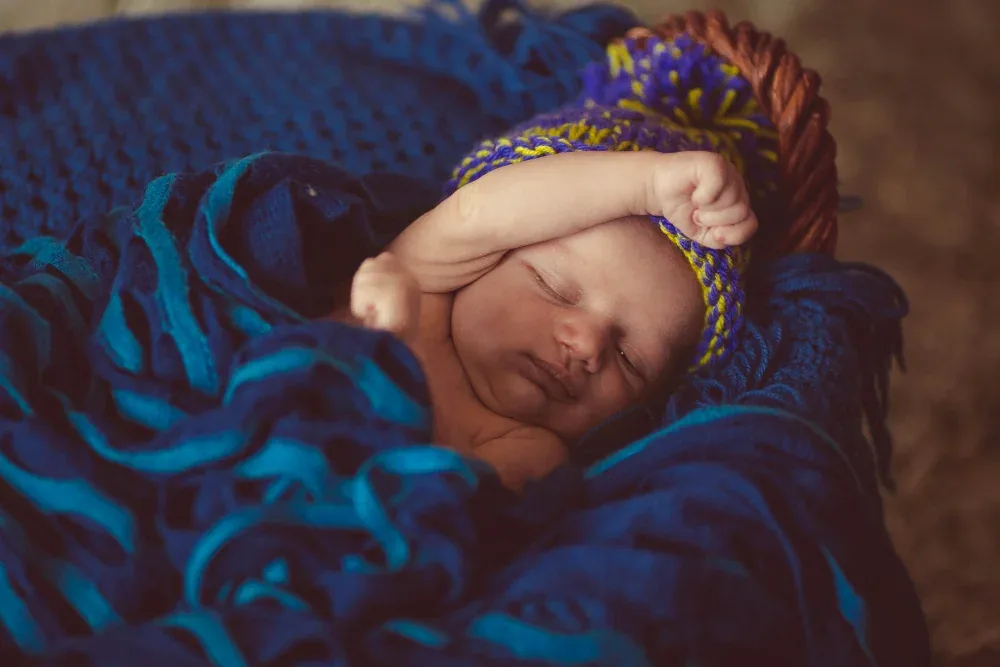
Srimantham, traditionally known as Simantam, is a sacred Vedic ceremony performed during 5th 7th or 9th pregnancy to bless the mother, protect the baby, and welcome a new life into the family.
With 30 years of experience as a Hindu priest, I bring deep knowledge of Vedic traditions and the spiritual significance behind this beautiful ceremony.
A Hindu Saṃskāra Welcoming the Newborn into Family, Society, and Spiritual Tradition
Namakarana, the Hindu naming ceremony, is one of the sacred saṃskāras performed for a newborn. It is much more than giving a child a name—it is a sacred blessing and a formal welcome into the family, lineage, society, and spiritual tradition.
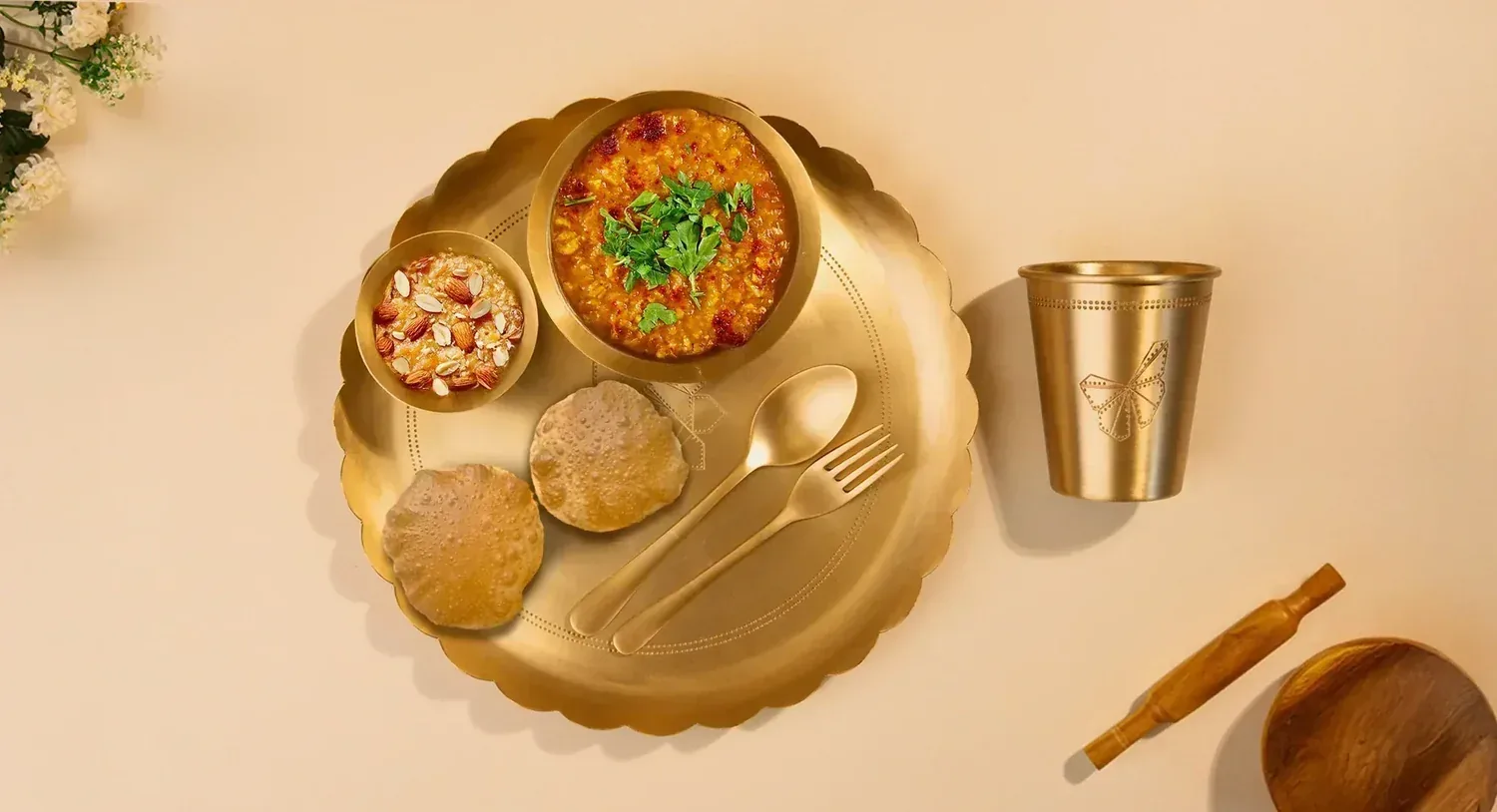
A Hindu Saṃskāra Marking the Baby’s First Nourishment From the Outside World
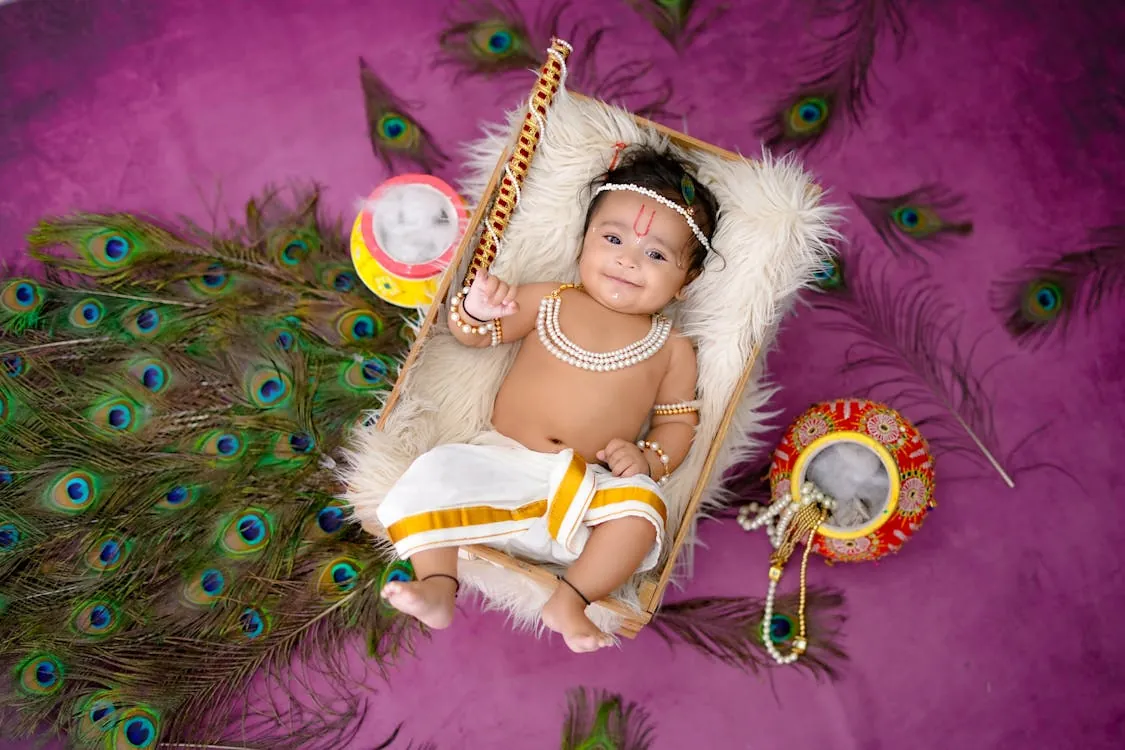
Annaprāśana, the sacred first-feeding ceremony, is an important Hindu Saṃskāra performed when a baby is introduced to food from outside the mother for the first time. The word Annaprāśana refers to the ceremonial offering of food, traditionally cooked rice with milk and brown sugar or another suitable preparation.
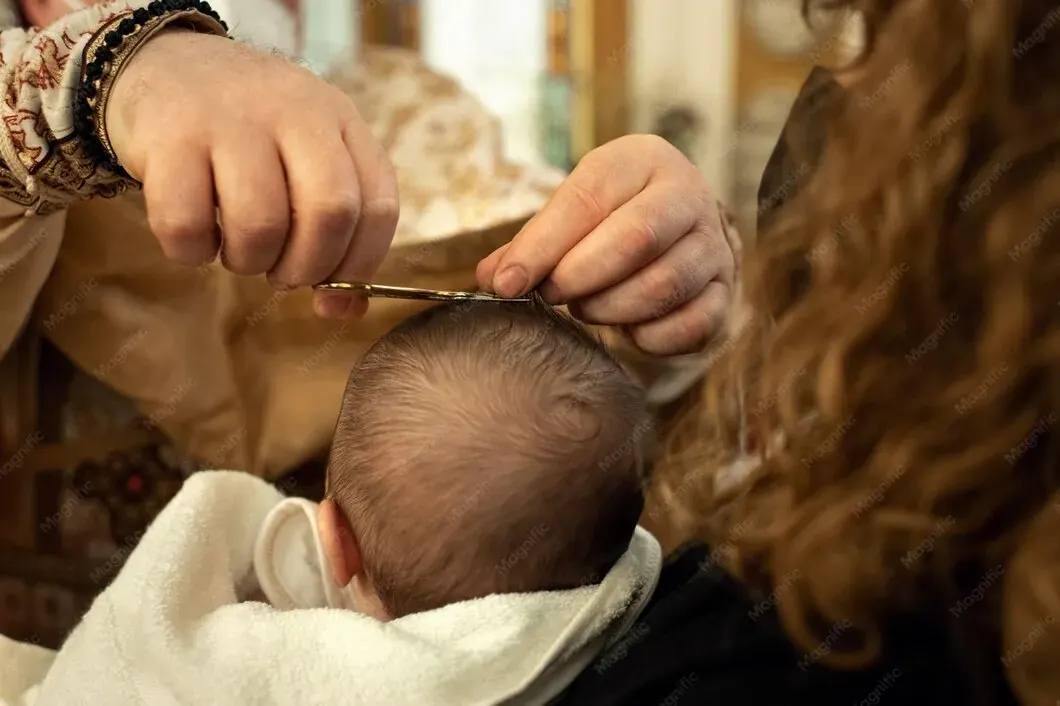
Chudakarana, also known as Chaula Samskara, is a beautiful Hindu Samskara celebrating a child’s first complete hair-shaving ceremony. It is traditionally performed during the early years of a child’s life and marks an important transition in the child’s spiritual and personal journey.
Opening the Ears to Wisdom, Knowledge & Divine Guidance
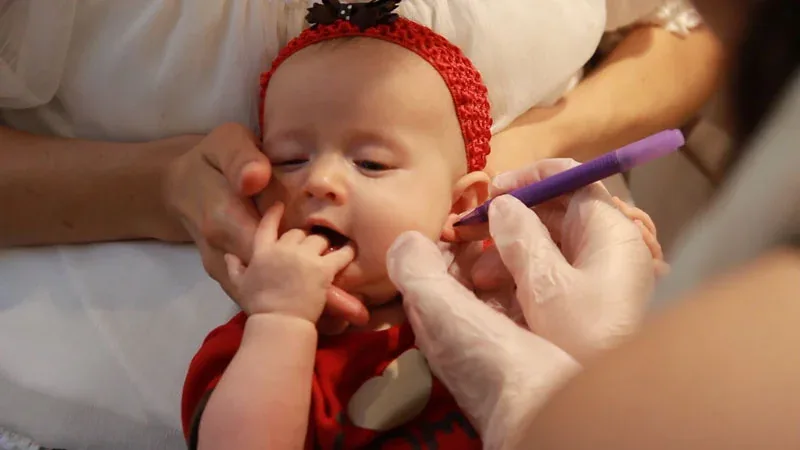
Karnavedha, the sacred ear-piercing ceremony, is one of the traditional Samskaras (sacred rites of passage) in Hinduism. More than a cultural tradition, Karnavedha carries a profound spiritual message: the ears are the gateway through which sacred knowledge enters the mind and consciousness.
The Sacred Beginning of a Child’s Education
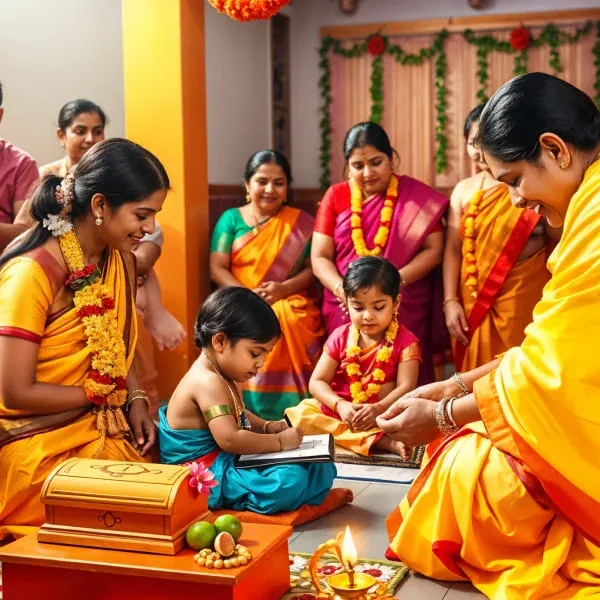
Aksharabhyasa, also known as Vidyarambham, is the traditional Hindu ceremony marking a child’s first formal step into education. It is generally performed around the third or fifth year of life and is a beautiful way for parents to seek divine blessings before their child begins the journey of learning.
Education in the Vedic tradition is not considered merely the gathering of information. Knowledge is regarded as a sacred blessing that develops the child’s understanding, character, wisdom, and ability to contribute to the world.
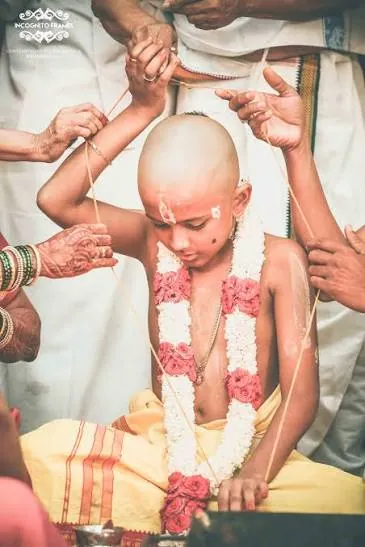
Upanayanam – The Sacred Thread Ceremony
A Sacred Beginning of Spiritual Life
Upanayanam, also known as Yajnopavita, Janeu, or the Sacred Thread Ceremony, is one of the important Hindu Samskaras marking the beginning of a young person’s journey into spiritual learning, discipline, responsibility, and Dharma.
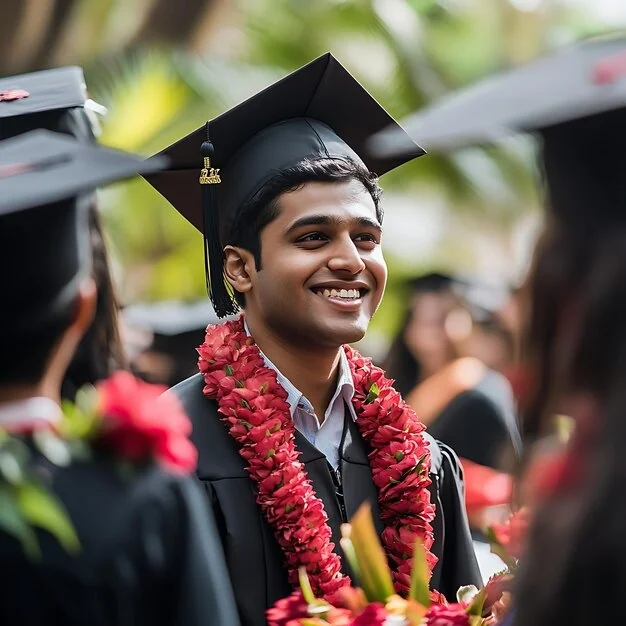
Snātakam, also known as Samāvartana, marks the completion of formal education and the end of Brahmacarya Āśrama. It is a sacred transition from student life to the responsibilities of adulthood, offering gratitude to the Guru and seeking the blessings of parents, teachers, and elders.
The ceremony traditionally includes Saṅkalpa, Gaṇapati Pūjā, Punyāhavācana, Snāna (ceremonial bath), Homa, Vedic mantras, and Guru Dakṣiṇā. The ceremonial bath symbolizes purification, completion, and a new beginning.
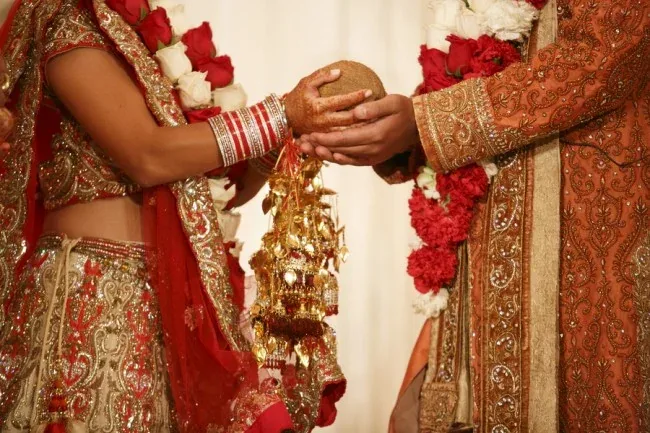
The Sacred Vedic Hindu Wedding Ceremony
Marriage in Hindu Dharma is not simply a ceremony—it is a sacred commitment and a spiritual journey.
Vivaha Samskara brings two individuals together as husband and wife to establish a new home, build a family, fulfill their responsibilities, experience the joys of life, and progress spiritually together.
The Final Saṃskāra and the Soul’s Journey Beyond the Body
Antyeṣṭi, also known as the final Saṃskāra, is the sacred Hindu funeral ceremony performed after death. The word Antyeṣṭi means “the final offering” or “the last sacrifice.” Through this sacred rite, the body is offered to the fire and returned to the five elements of nature, while prayers are offered for the soul’s peaceful onward journey.
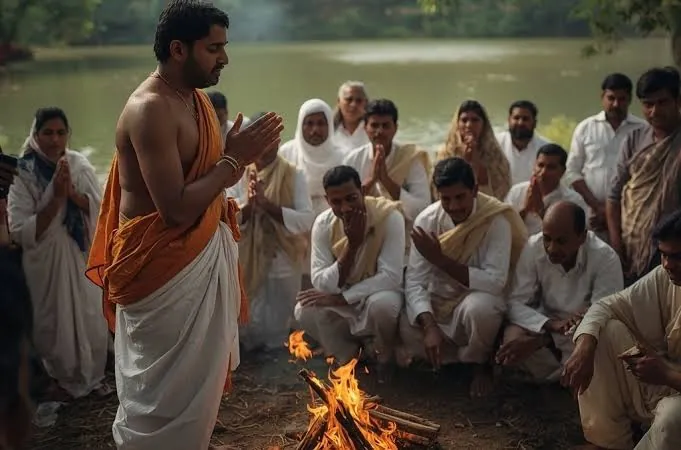
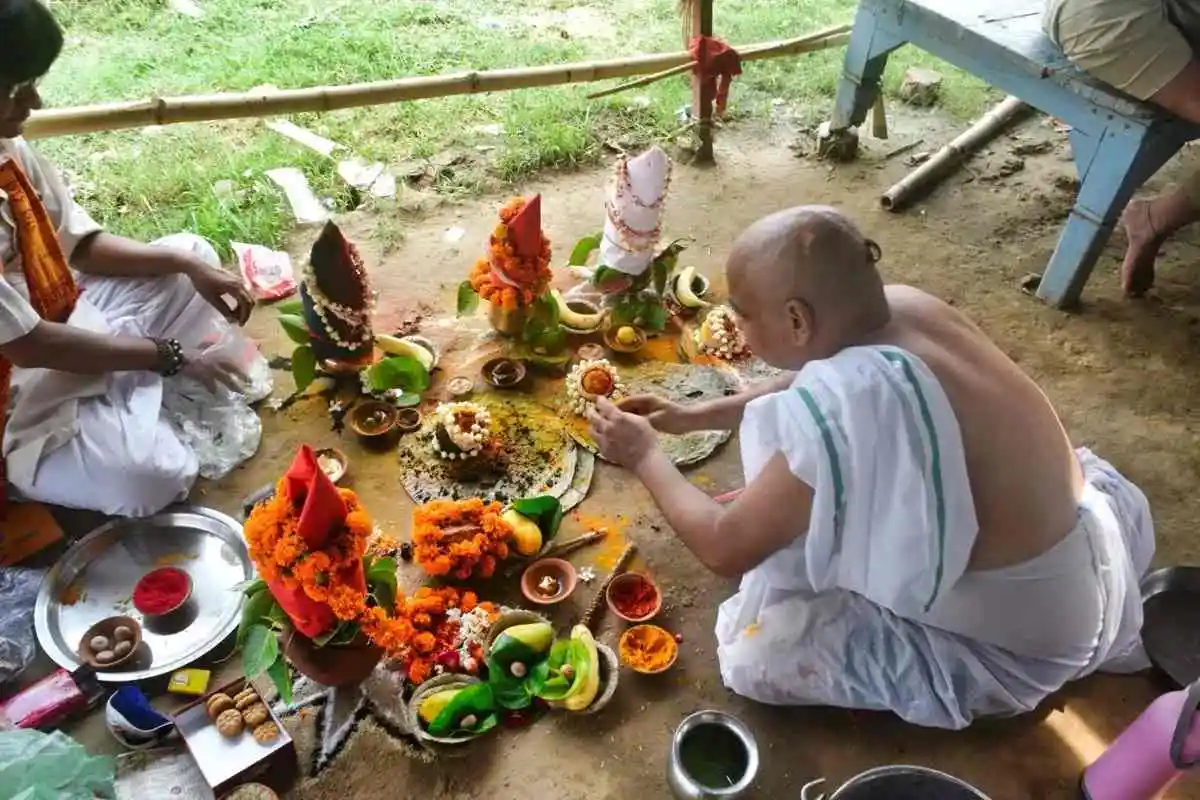
Honoring Our Departed Parents and Loved Ones
In Hindu tradition, Māsika Śrāddhas (Monthly Śrāddha ceremonies) are sacred rituals performed during the first year following the passing of a loved one. They are an expression of love, gratitude, remembrance, and duty toward our departed parents and ancestors.